
Fair prices. Fast approvals. Your health always comes first. Get Qualified for a Minnesota Medical Marijuana Card Today.
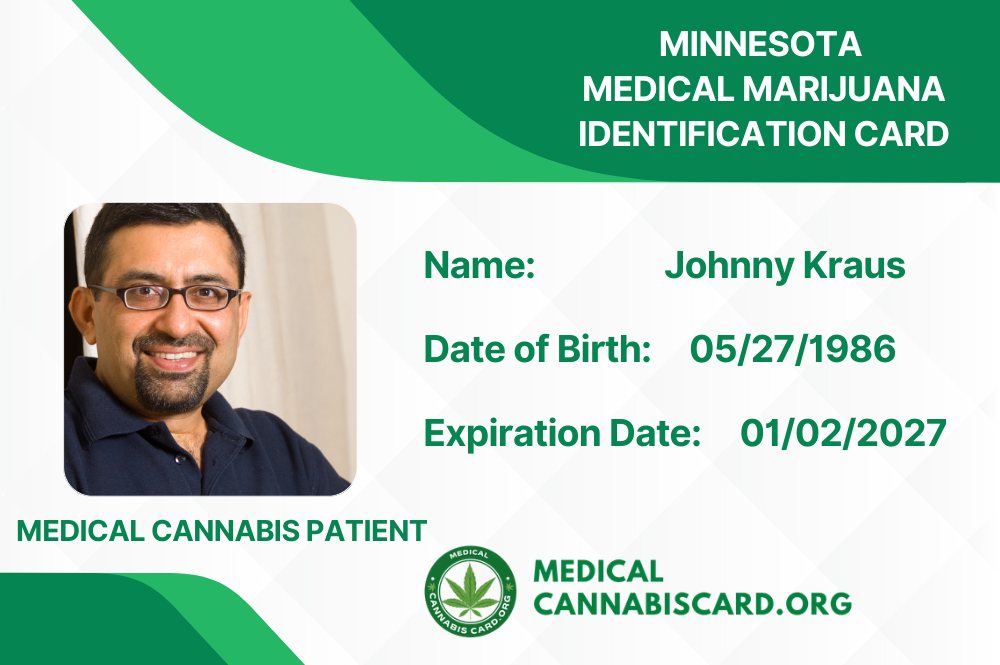
As we navigate through 2026, the landscape of healthcare in the North Star State continues to embrace natural alternatives. Many residents from the bustling streets of Minneapolis to the quiet shores of Lake Superior are seeking relief through the state’s medical cannabis program. If you are struggling with a long-term illness, you might be wondering about the specific qualifying conditions for Medical Card in Minnesota 2026. While recreational cannabis is now legal in our state, the medical program remains a vital resource. It offers lower costs, higher potency options, and professional medical guidance that you simply cannot get at a standard adult-use shop.
You might ask, “Why do I need a medical card if cannabis is legal for everyone?” The answer lies in your wallet and your health. Even in 2026, medical patients enjoy significant benefits. First, medical cannabis is exempt from the high taxes placed on recreational products. Whether you live in a historic brownstone in St. Paul or a modern suburban rambler in Woodbury, saving 10% to 20% on every purchase adds up quickly.
Second, medical patients have access to higher possession limits. This is crucial during our famous Minnesota winters. When a blizzard hits and the “Polar Vortex” keeps everyone indoors for a week, you want to ensure you have enough medicine on hand without having to trek through three feet of snow to the nearest dispensary.
The Minnesota Department of Health (MDH) periodically updates the list of conditions based on new scientific research. As of 2026, the qualifying conditions for Medical Card in Minnesota 2026 include the following:
This is the most common reason Minnesotans seek a medical card. Whether it is back pain from years of shoveling heavy snow or joint pain aggravated by the humid summers near the Chain of Lakes, chronic pain is a qualifying factor. It must be persistent and not responsive to traditional treatments.
Minnesota has a large community of veterans and individuals who have experienced trauma. PTSD is a primary qualifying condition. Medical cannabis has helped many neighbors in the Twin Cities find peace and better sleep patterns.
If you are undergoing treatment at world-class facilities like the Mayo Clinic in Rochester, medical cannabis can help. It is approved for the treatment of severe pain, nausea, or wasting syndrome associated with cancer or its treatments.
Patients dealing with increased eye pressure find that specific cannabis strains help manage symptoms and prevent further vision loss.
Like cancer, HIV/AIDS qualifies when it is associated with severe pain or wasting syndrome.
This was one of the first conditions approved in Minnesota. It provides a lifeline for families whose children suffer from intractable epilepsy.
This includes symptoms often associated with Multiple Sclerosis (MS). Many patients living in the hilly terrain of Duluth find that cannabis helps with mobility and muscle relaxation.
Conditions like Crohn’s disease and Ulcerative Colitis are on the list. These conditions can be debilitating, and medical cannabis offers a way to manage inflammation.
Both adults and minors with ASD may qualify if their symptoms meet the state’s specific criteria for self-injurious or aggressive behaviors.
If you use a CPAP machine but still struggle with rest, you may qualify under this category.
This condition was added to help manage the intense pain crises associated with the disease.
Added more recently, IBS patients can now seek relief through the medical program to manage gut sensitivity and pain.
In 2026, the state continues to review petitions for new conditions. There is ongoing discussion regarding anxiety and obsessive-compulsive disorder (OCD). Always check with a certified practitioner to see if your specific diagnosis has been recently added to the qualifying conditions for Medical Card in Minnesota 2026.
Meet “Elena,” a 45-year-old teacher living in Bloomington near the Mall of America. Elena suffered from Fibromyalgia for a decade. The damp Minnesota springs made her flare-ups so bad she could barely walk her dog through Hyland Hills Park.
“I was tired of taking handfuls of pills every morning,” Elena shares. “When I looked up the qualifying conditions for Medical Card in Minnesota 2026, I realized my chronic pain made me eligible. The process was so easy. I did my doctor’s visit online from my kitchen table. Now, I use a high-CBD tincture that keeps me active without feeling ‘high’ during my work hours. It changed my life.”
If you see your condition on the list above, the next steps are simple:
Don’t spend another season in pain. Whether you are dealing with the humidity of a St. Croix River summer or the biting chill of a January night, you deserve to feel your best. The medical program is designed to be a safe, regulated, and affordable way to access your medicine.
If you have one of the qualifying conditions for Medical Card in Minnesota 2026, the time to act is now. Our team of compassionate doctors is ready to help you navigate the paperwork and get you the relief you need.
The Minnesota Medical Cannabis program is one of the most patient-focused in the country. By focusing on science and patient outcomes, the state has created a system that works for everyone. From the Iron Range down to the Iowa border, thousands of your neighbors are finding a better quality of life through this program. If you believe you meet the qualifying conditions for Medical Card in Minnesota 2026, take the first step today and schedule your online consultation.
While not listed as a standalone condition yet, many people with anxiety qualify under “PTSD” or “Chronic Pain” if their symptoms overlap. Always discuss your full health history with your evaluating physician.
No. Most patients in the Minnesota program have chronic but non-terminal conditions like IBS, Sleep Apnea, or Chronic Pain.
Yes. Minnesota law provides certain protections for medical cannabis patients. However, you should always check your specific lease agreement regarding smoking or vaping on the property. Many patients in Minneapolis apartments use edibles or oils to stay discreet.
The state of Minnesota eliminated the annual enrollment fee for patients. You only need to pay for your doctor’s evaluation visit.